Cơ Hội Canada
Canada overviewJobsProcessHandbook
Log inSign up
Cơ Hội Canada

Job information and preparation for each family’s plans in Canada.

View jobs

Explore

  • Canada overview
  • Process
  • Handbook

Membership

  • Membership pricing
  • Your account

© 2026 Cơ Hội Canada. All rights reserved.

  • Terms of use
  • Privacy policy
Language
vi|en
vi|en
  1. Canada overview
  2. Nature and climate
  3. Geography and climate across British Columbia, Ontario and Manitoba
Nature and climate

Geography and climate across British Columbia, Ontario and Manitoba

Canada’s climate varies substantially by region. For settlement decisions, focus on the actual city, daily routes and seasonal changes rather than a single national description.

Cơ Hội Canada editorial teamUpdated October 21, 20263 min read
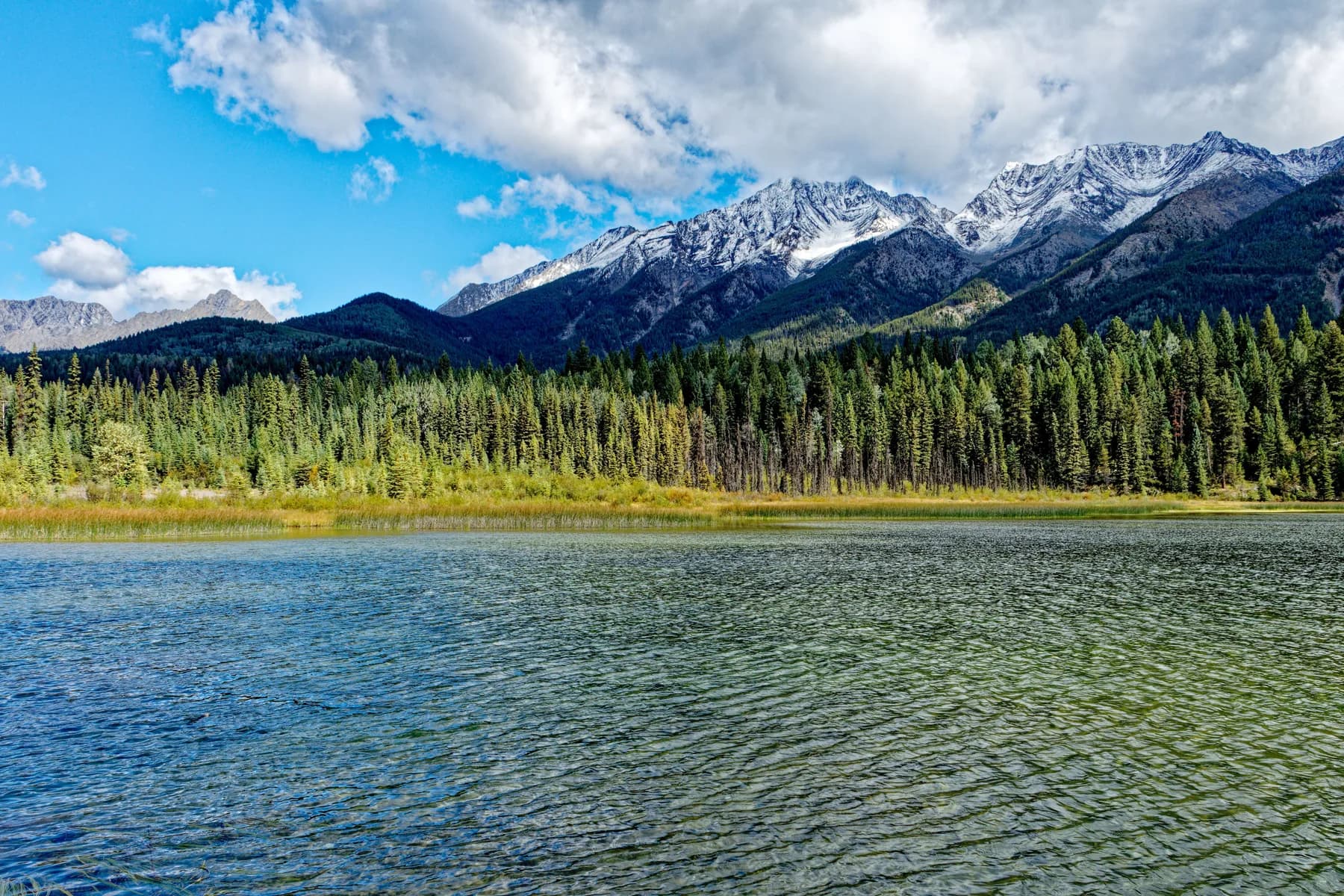
A calm lake beside forested mountains in British Columbia
In this article
  1. 01Distinguish climate from weather
  2. 02Geography shapes daily routines
  3. 03British Columbia extends beyond Vancouver
  4. 04Ontario varies by region
  5. 05Manitoba and seasonal contrasts
  6. 06Budget for seasonal changes
  7. 07Build a local weather routine
  8. 08Practical next steps

For

Families comparing locations and people preparing for Canadian weather.

Distinguish climate from weather

Climate describes long-term patterns; weather concerns current or near-term conditions. A relatively mild place can still experience disruptive cold, and one warm day does not represent winter. Use climate for preparation and forecasts for daily decisions, checking the location represented by the observations rather than assuming every neighbourhood is identical.

Geography shapes daily routines

Mountains, plains, forests, lakes and coastlines influence travel and service access. A route that looks straightforward on a map may be very different in winter. Consider daily terrain, transit and alternative routes. Less densely populated areas may require different shopping, health-care and bad-weather arrangements than a familiar Vietnamese urban routine.

British Columbia extends beyond Vancouver

Southwestern coastal British Columbia generally has milder winters than much of inland Canada, with substantial practical importance placed on rain. Interior, northern and mountain areas differ. A mountain trip near a coastal city needs different preparation from urban walking. Check the actual location and elevation, and allow for disruption during unusual snow or ice.

Ontario varies by region

Ontario includes distinct Great Lakes and northern conditions. Winter affects travel, while summer can bring heat and humidity. Assess both heating and cooling, and do not extend Toronto’s conditions to every community. For work journeys, check the entire route and return period, allowing realistic travel margins rather than ranking cities with simplistic climate labels.
More in this category

3 min read

Preparing for your first Canadian winter

Winter affects clothing, housing, journeys and children’s routines. Prepare for local conditions and actual travel patterns rather than relying on a single heavy coat.

Read the article
3 min read

Enjoying parks and outdoor activities safely

Parks offer exercise, rest and family experiences. Choose trips around the whole group’s abilities, current destination conditions and realistic preparation.

Read the article
Back to Nature and climate

Manitoba and seasonal contrasts

Manitoba’s inland climate makes preparation for both winter and summer important. Winnipeg and northern or rural communities differ in travel and services. Check walking distances, sheltered waiting areas, heating costs and childcare logistics. Suitable clothing is only part of readiness; plan for days when the normal journey cannot be maintained.

Budget for seasonal changes

Clothing, heating, cooling, vehicle care and activities can produce seasonal expenses. Ask what utilities rent includes; one bill does not represent a whole year. Transit users should plan for exposed waiting and disruptions. Children’s growth and school needs matter. Purchase based on actual conditions and allow a first-season contingency.

Build a local weather routine

Check forecasts, wind chill where relevant and destination alerts before leaving. For longer trips, add road and local updates. Ensure weather applications use the correct location and agree on altered pickup arrangements. Review equipment and costs after experiencing each season, focusing on practical decisions rather than memorizing climate statistics.

Practical next steps

  • Research the city, terrain and daily route, not only the province.
  • Use climate for preparation and forecasts for daily choices.
  • Check heating, cooling, included utilities and seasonal costs.
  • Prepare alternative travel and pickup arrangements.
  • Update alert locations and review after the first season.
3 min read

Weather alerts, extreme heat and wildfire smoke

Forecasts are only the starting point. Establish which notices affect your location and what actions follow, with reliable alerts, contacts and suitable shelter arrangements.

Read the article