Cơ Hội Canada
Canada overviewJobsProcessHandbook
Log inSign up
Cơ Hội Canada

Job information and preparation for each family’s plans in Canada.

View jobs

Explore

  • Canada overview
  • Process
  • Handbook

Membership

  • Membership pricing
  • Your account

© 2026 Cơ Hội Canada. All rights reserved.

  • Terms of use
  • Privacy policy
Language
vi|en
vi|en
  1. Canada overview
  2. Health care
  3. Public health insurance: eligibility, registration and start dates
Health care

Public health insurance: eligibility, registration and start dates

Provincial and territorial plans determine public health coverage. Identify each family member’s eligibility, registration documents and any period requiring separate financial or insurance arrangements.

Cơ Hội Canada editorial teamUpdated October 21, 20263 min read
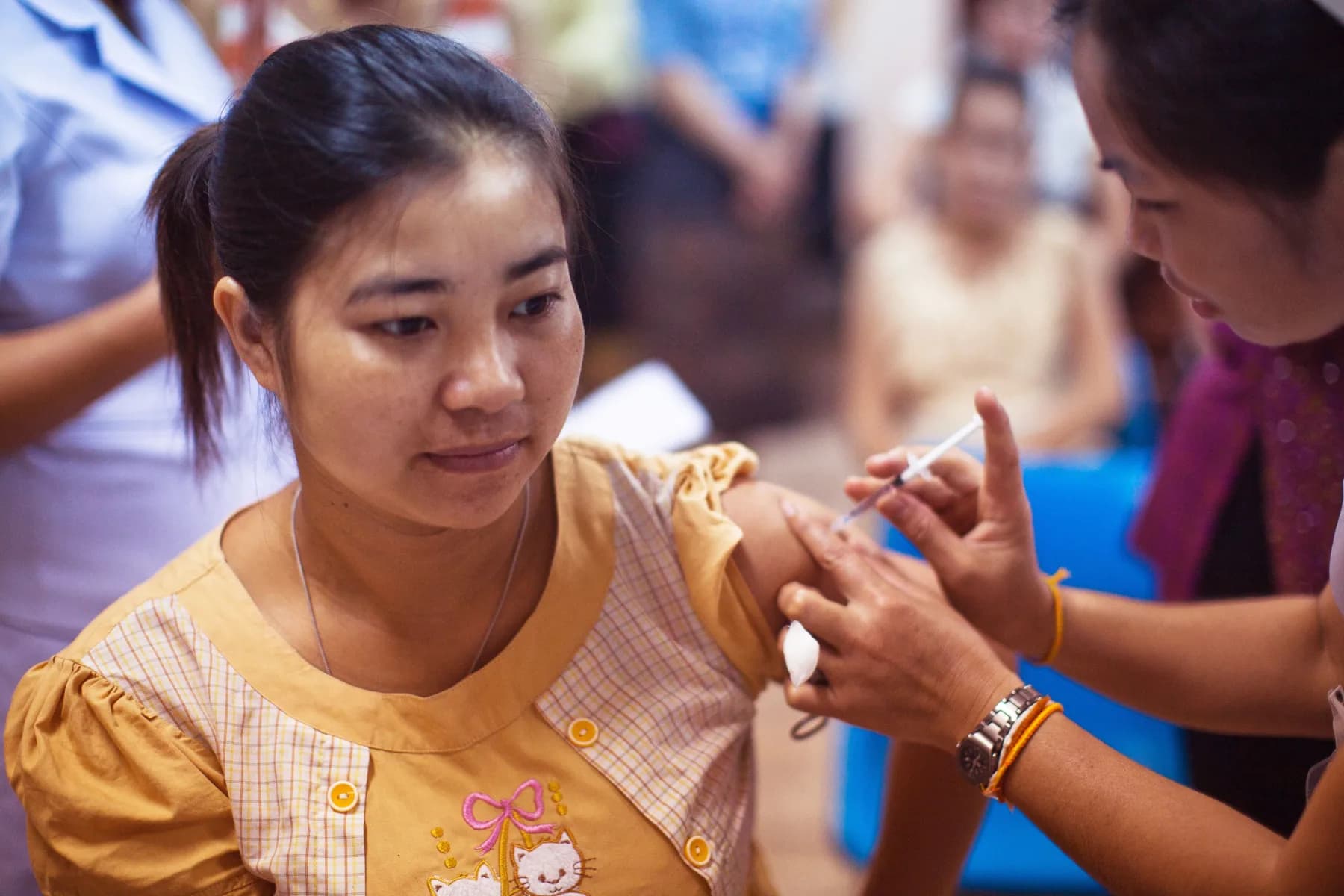
A healthcare professional assisting visitors at a clinic reception desk
In this article
  1. 01Coverage is organized by province
  2. 02Assess each family member separately
  3. 03Ontario and OHIP enrolment
  4. 04British Columbia and MSP
  5. 05Manitoba and work permit conditions
  6. 06Register and plan for gaps
  7. 07Keep coverage information current
  8. 08Practical next steps

For

Newcomers, work permit holders, permanent residents and accompanying families.

Coverage is organized by province

Tax-funded health care is administered through provincial and territorial plans. A health card confirms enrolment, not unlimited coverage. Insured physician and hospital care must fall within plan rules. Outpatient prescriptions, dental care, eyewear and ambulance services can have different funding arrangements. Separate insured care from costs requiring supplementary coverage or personal payment.

Assess each family member separately

Immigration status, actual provincial residence and plan-specific conditions all matter. Citizens and permanent residents still need to register. Temporary workers may face permit and employment requirements. Check spouses and children individually, and do not apply permanent-resident rules to students or visitors. Prepare a separate eligibility checklist for each person.

Ontario and OHIP enrolment

Ontario has no OHIP waiting period for eligible applicants. This does not make every new arrival eligible. One work-permit route involves full-time Ontario employment for an Ontario employer for at least six months, alongside other conditions. Ask ServiceOntario about immigration, identity, residence and employment evidence, distinguishing processing time from the coverage entitlement date.

British Columbia and MSP

British Columbia’s MSP has its own eligibility and waiting rules. The usual new-resident waiting period is the remainder of the month residence is established plus two months. Eligibility may arise later than arrival. Apply promptly and obtain Health Insurance BC’s assessment of the start date, considering separate protection while coverage is pending.


More in this category

3 min read

Finding doctors and using health services

Understanding family medicine, clinics and emergency departments helps you choose appropriate care. Prepare records and contact arrangements before a family member needs help.

Read the article
2 min read

Prescriptions, dental care and supplementary insurance

A health card does not pay every health expense. Understanding coverage gaps helps families budget for prescriptions, dentistry and other services before a bill arrives.

Read the article
Back to Health care

Manitoba and work permit conditions

Manitoba lists a work-permit route involving validity of at least twelve consecutive months, with separate provisions for some agricultural workers. Residence and physical-presence requirements also matter. Spouses and minor children may qualify under related conditions. Ask Manitoba Health to assess documents and the effective date rather than treating employment in Winnipeg as sufficient evidence.

Register and plan for gaps

Prepare identity, immigration, address and other requested evidence, retaining application confirmation. For interim insurance, review limits, deductibles, pre-existing-condition rules and claims procedures. A visitor policy may not fit every resident’s circumstances. Do not delay emergency care to finish paperwork; provide available coverage information and clarify billing when possible.

Keep coverage information current

Check the card and report address, permit or household changes as required. Before extended travel or an interprovincial move, clarify notification and transition rules. Possessing a card does not guarantee unchanged eligibility after circumstances change. Keep assessment letters and contact details, and review coverage before permit renewals, job changes or major planned treatment.

Practical next steps

  • List each family member’s status and supporting documents.
  • Confirm eligibility and start dates with the provincial plan.
  • Apply promptly, keep confirmation and arrange suitable gap coverage.
  • Budget separately for prescriptions, dentistry and supplementary services.
  • Update the plan when residence, employment or permits change.
3 min read

Health records, vaccination and emotional well-being

Clear health records support continuity after an international move. Alongside documents and immunization, allow time to adjust and establish where to seek emotional support.

Read the article